
Research and measures to protect biodiversity and communities in the Mediterranean region and to tackle climate change.
As a non-profit organization, ClimACT med aims to contribute to the ecological transition and build sustainable and resilient communities through scientific research, training, outreach, and concrete local initiatives. This is consistent with the objectives of the United Nations 2030 Agenda, the European Green Deal, the EU 2030 Biodiversity Strategy, and the Barcelona Convention for the Protection of the Mediterranean Sea.
Our areas of intervention
Here is the English translation for this section, maintaining a professional and engaging tone suitable for a website, brochure, or institutional presentation::
- Promoting the ecological transition and the study of climate change.
- Protecting marine and terrestrial biodiversity.
- Safeguarding Mediterranean ecosystems and protected areas.
- Analyzing and mitigating territorial risks associated with climate variations.
- Developing sustainable energy models that are compatible with ecosystem conservation.
- Guaranteeing the defense of our environmental heritage for future generations.
Education and outreach
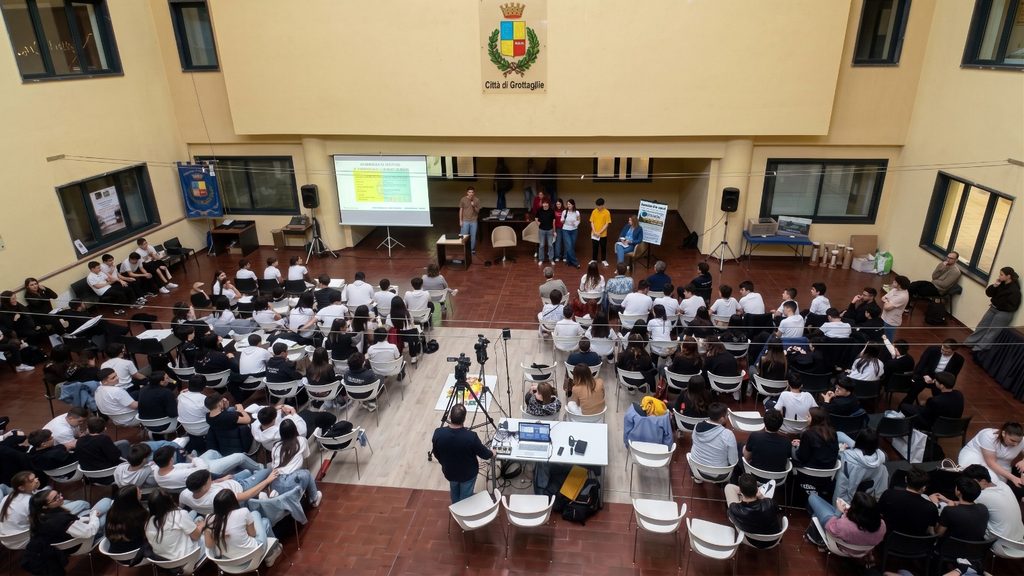
We organize training courses and educational outreach for schools. In particular, we continue the tradition for School Workshop on Climate Change.
Advocacy and tackling disinformation
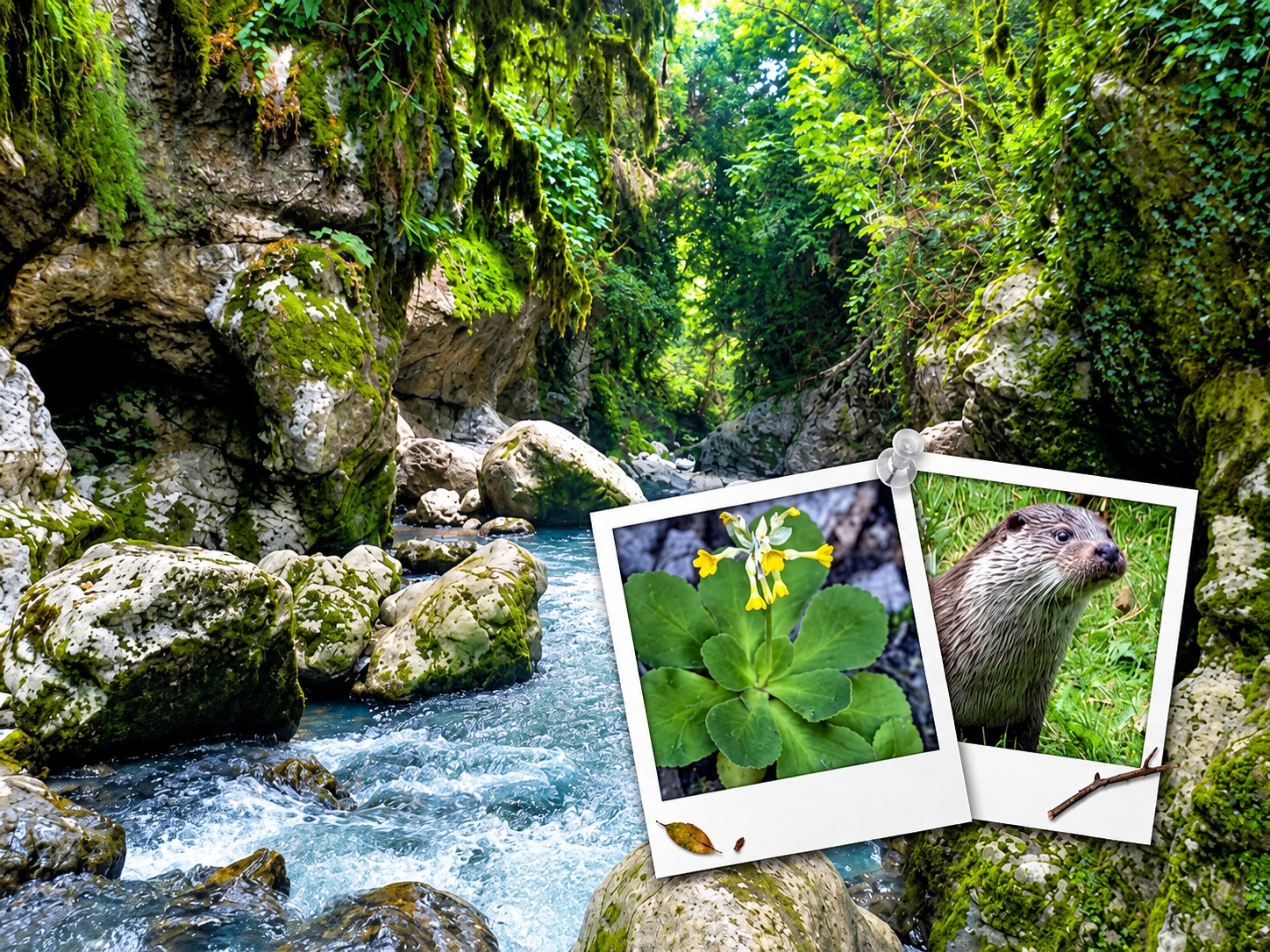
Community engagement activities
Programmatic agreements with public bodies (regions, provinces, municipalities, park authorities)
Support for the drafting of PAESC (Sustainable Energy and Climate Action Plans
Climate adaptation and land conservation strategies
Environmental monitoring, data analysis, and guidelines for for conservation measures.
Research activities
Climate risk assessment.
Participation in calls for European, national, and regional projects on climate change and sustainable development in the Mediterranean area.
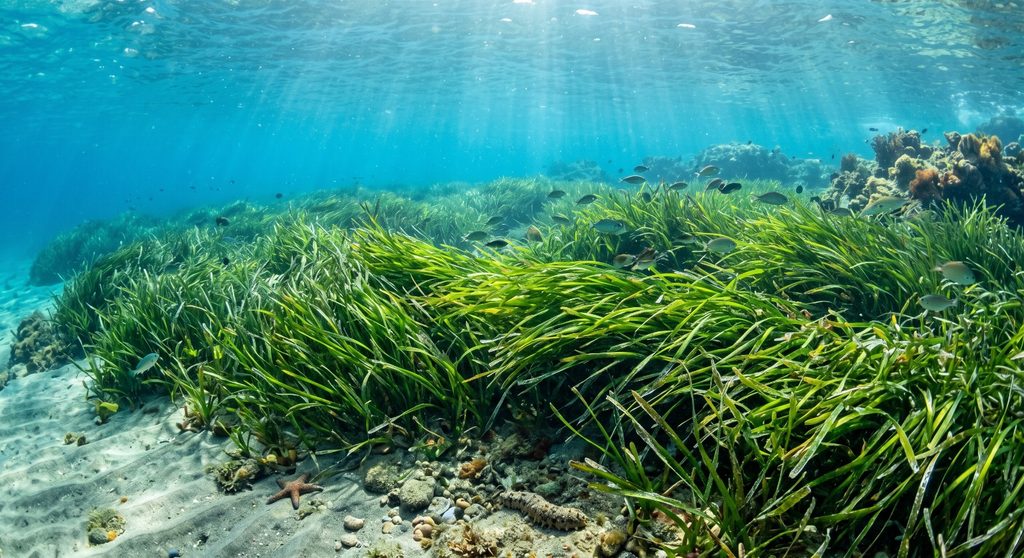
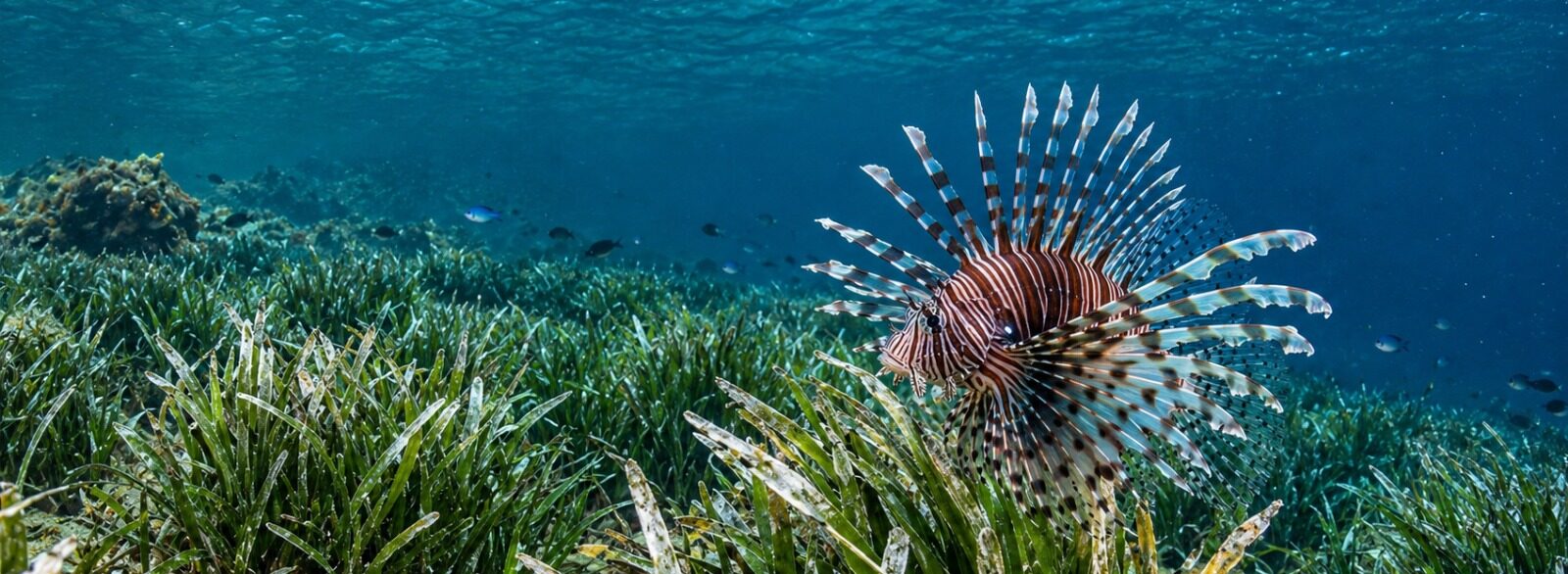
Protecting biodiversity in the Mediterranean
Marine biodiversity does not only represent the extraordinary variety of species that inhabit our seas, but is the absolute engine that guarantees the survival of the Earth. Every organism, from microscopic plankton to large cetaceans, plays a fundamental role in maintaining the balance of complex and fragile ecosystems. Protecting the richness of our seas, especially in highly vulnerable basins like the Mediterranean, is an absolute priority for our future.
Let's protect the sea
Il respiro della Terra e regolazione del clima: The Earth's breath and climate regulation: The oceans are our largest blue lung. They produce over 50% of the oxygen we breathe and absorb about one-third of global carbon dioxide emissions, actively mitigating global warming.
Coastal defense and resilience: Ecosistemi marini sani, come le praterie di Posidonia oceanica Healthy marine ecosystems, such as Posidonia oceanica meadows or coral reefs, form our first line of natural defense. They reduce wave energy, counteract coastal erosion, and protect territories from extreme weather events.
Sicurezza alimentare e Blue Economy: Food security and the Blue Economy: The biological richness of the seas supports the livelihoods of billions of people worldwide. It guarantees the fish resources necessary for food security and forms the foundation for developing a truly sustainable blue economy, built on respecting natural limits.
Scrigno di risorse e ricerca scientifica: A treasure trove of resources and scientific research: Marine genetic diversity is an invaluable asset for scientific research. Discoveries fundamental to medicine, biotechnology, and the development of new eco-friendly materials stem from the study of marine species.
Our events
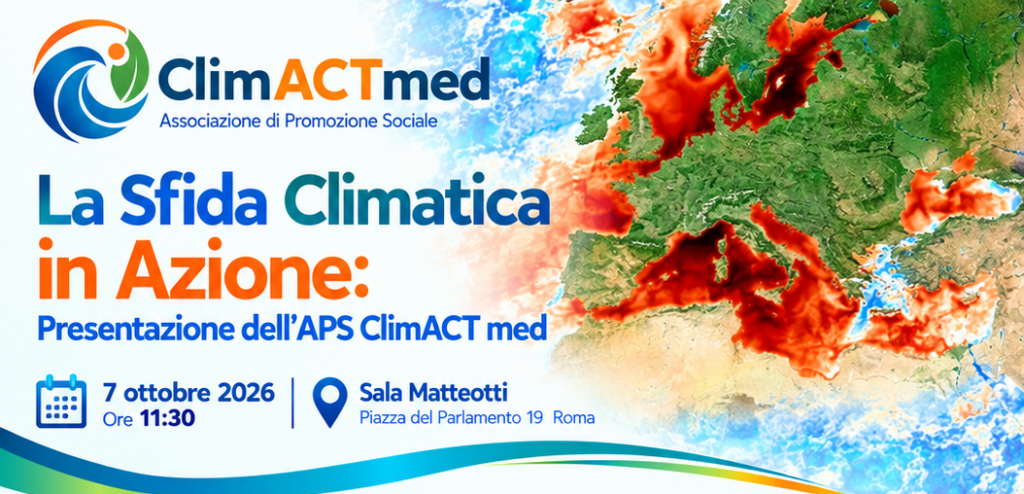
On October 7, at 11:30 AM, the climACT med association will introduce itself in the Sala Matteotti at Montecitorio.
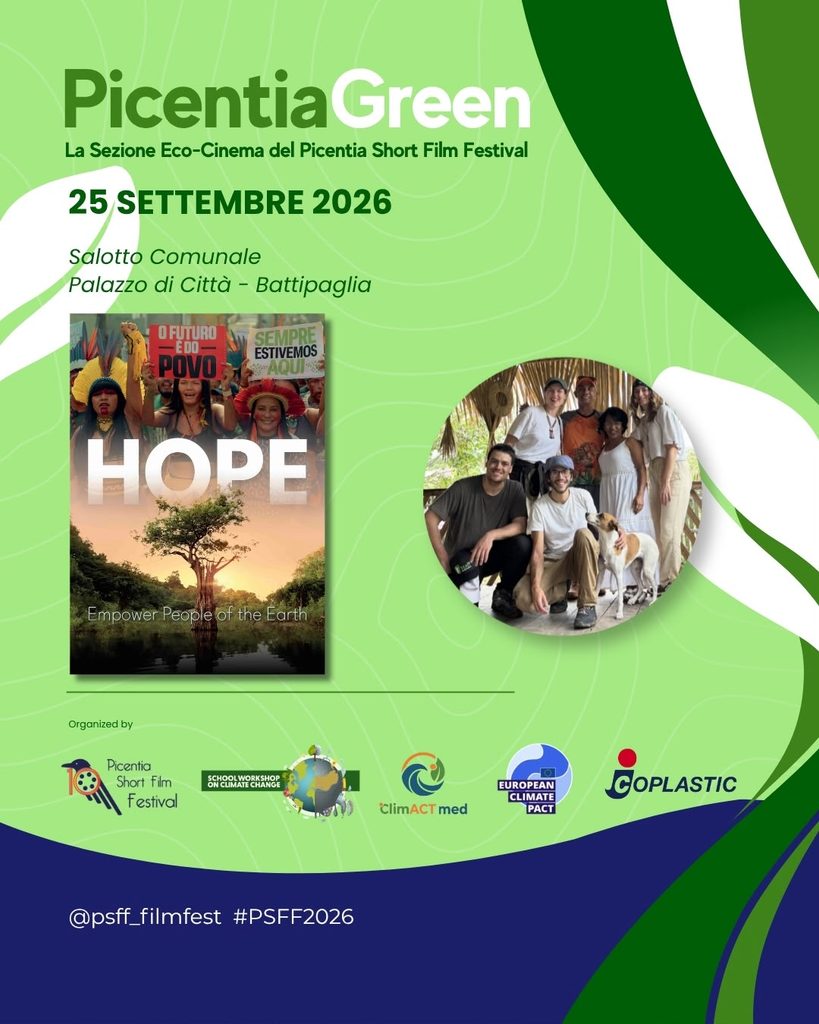
Il 25 Settembre, nell’ambito del Picentia short film festival, climACT med, nella sezione Eco-Cinema, presenta fuori concorso “Hope”, il docufilm di Nadia Paleari, Roberta Bonacossa, Federico Fontana e Andrea Scotto Rosato sull’impatto dei cambiamenti climatici in Amazzonia.